
Due to confidentiality, product details and internal information have been omitted. The work shown focuses on my design contributions, systems thinking, and visual exploration, with select details simplified to demonstrate the process rather than the final product.
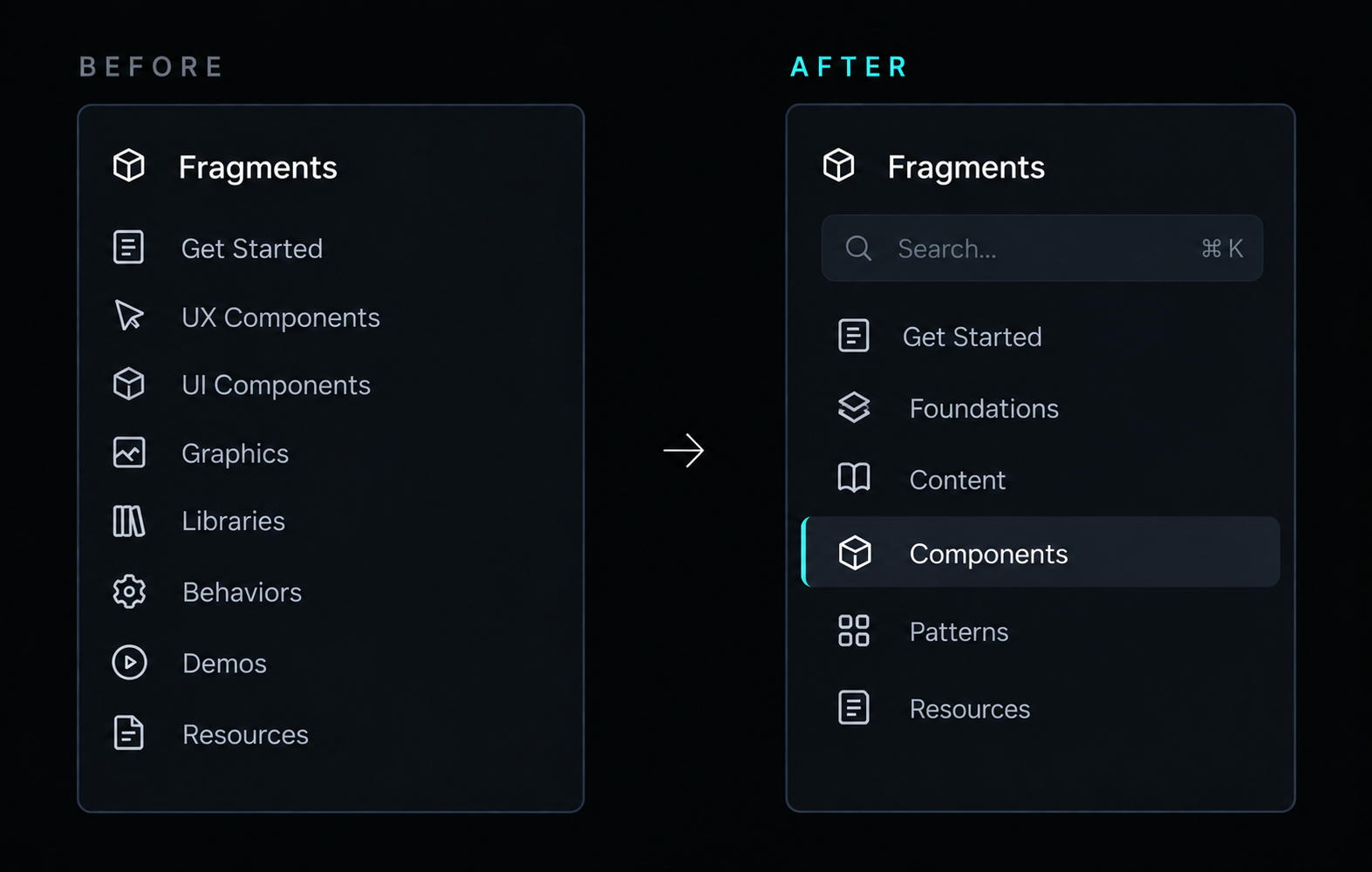
I worked on the structure and evolution of the Fragments design system, refining navigation and introducing new components to make the system easier to explore and use.
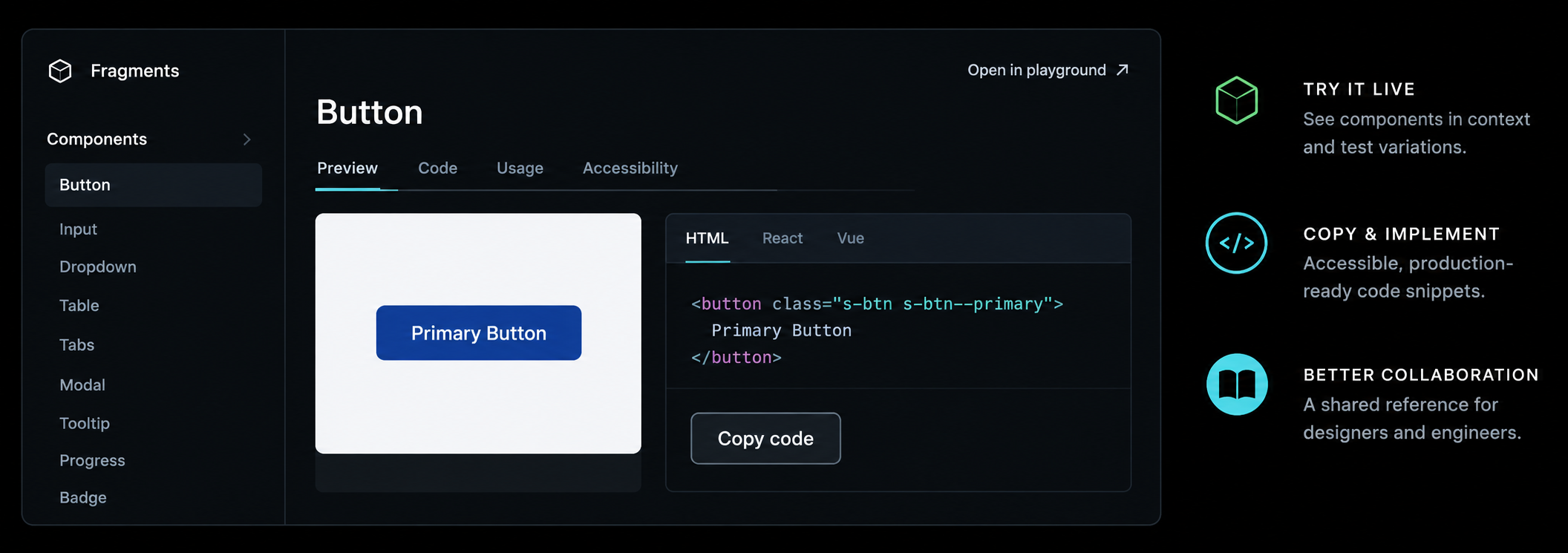
I introduced a live-code experience alongside senior engineers in the component documentation, giving developers a place to see components in context and test implementation details directly.
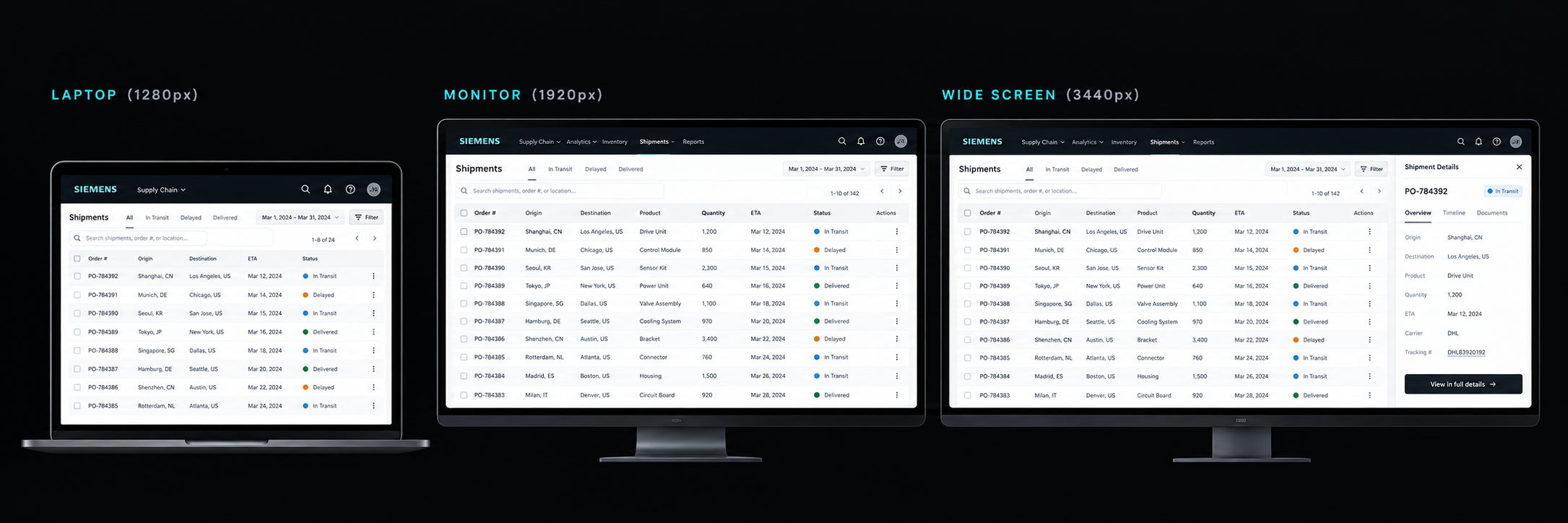
Supply chain data doesn't live on one screen size. I explored how dense tables and complex information could adapt across laptop, desktop monitors, and wide-screen environments while preserving hierarchy and usability.
As a team, we explored more expressive visual direction within the engineering team, experimenting with VR, hardware, and technology-focused imagery to create immersive ad experiences.

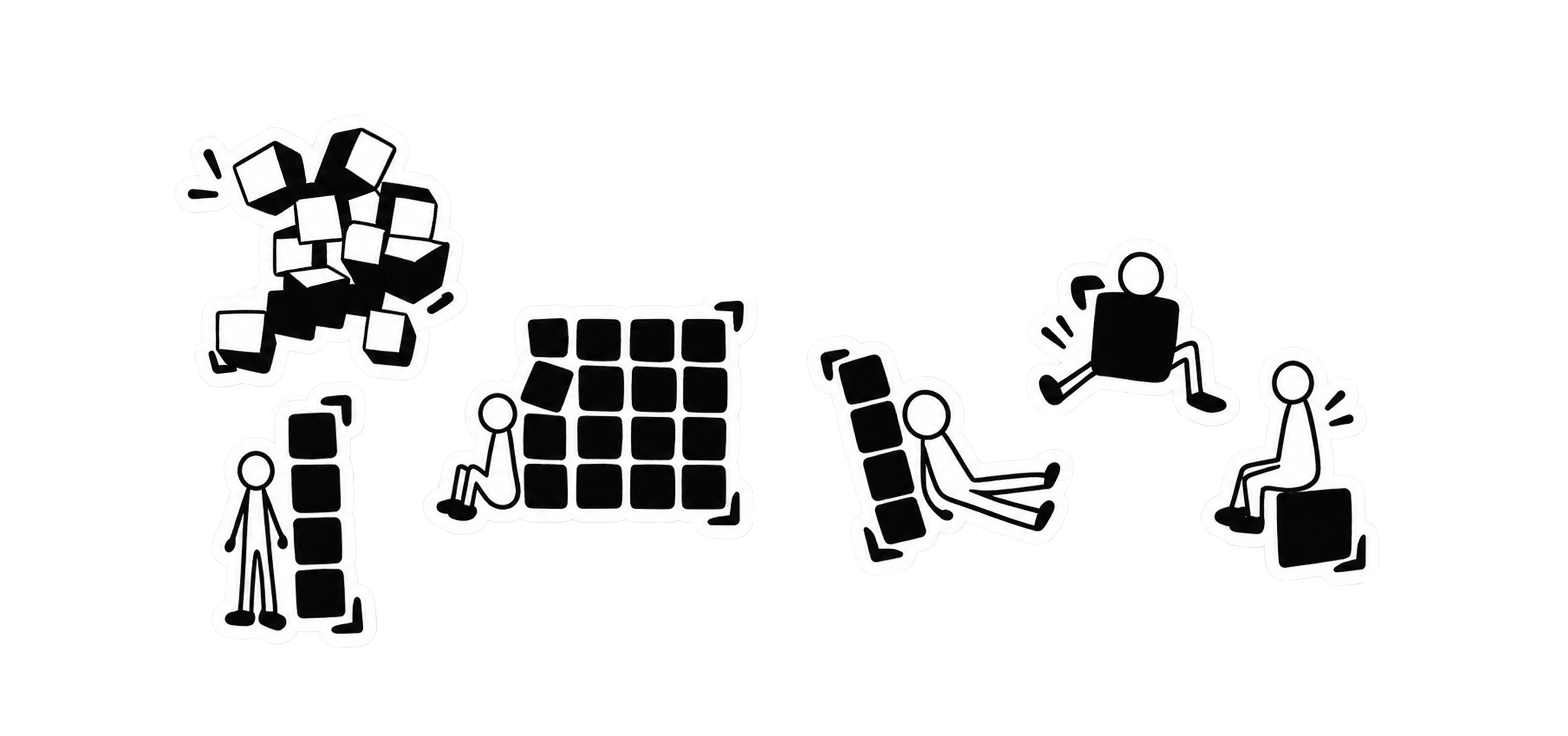
Got to produce Siemens team stickers!
From the day we released the new design system, I received a lot of positive feedback, even until this day!
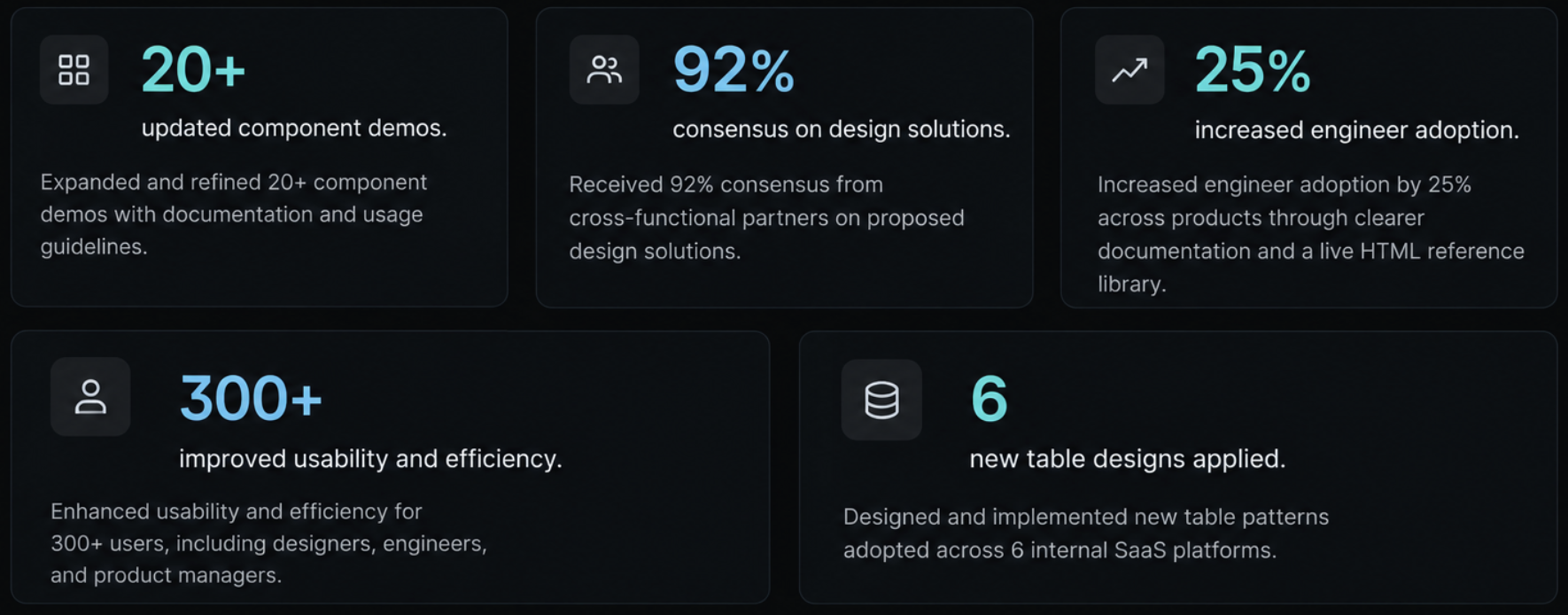
Working on a design system taught me that good product design isn't just about making a solution work. It’s about understanding the people using it, making decisions with purpose, and communicating those decisions clearly enough for others to build on them.
What began as a personal frustration became an exploration of how we can design translation to preserve more of what makes a moment meaningful.
I learned to evaluate design decisions beyond visual polish — asking whether a system was easier to understand, navigate, and apply. Small improvements in structure and hierarchy could have a much larger impact when repeated across an entire system.
Talking with users taught me to balance open-ended questions with direct ones. Starting broad helped uncover unexpected frustrations, while targeted follow-ups helped turn those conversations into concrete design opportunities.
I became more intentional about how I presented my work — not just showing the final solution, but explaining the problem, the reasoning behind each decision, and how research shaped the outcome. Clear communication made it easier for cross-functional partners to understand and act on the work.

A little look into how I think, make, and design. Thanks for being here.